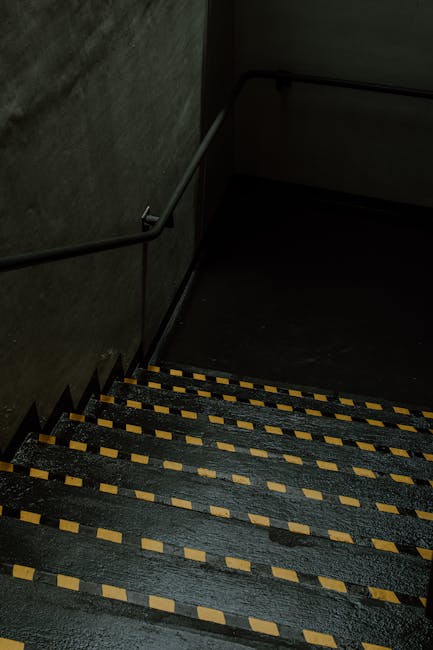
When Lift Access Fails: Highbury Basement and Cellar Moves
Basement and cellar moves can feel straightforward on paper. Then the lift breaks, the stairs are narrow, and suddenly a simple move turns into a careful operation involving elbows, corners, timing, and a fair bit of patience. That is exactly where When Lift Access Fails: Highbury Basement and Cellar Moves becomes more than a phrase - it becomes the difference between a stressful day and a controlled one.
In Highbury, that situation is not unusual. Older conversions, split-level homes, period terraces, and compact commercial spaces often come with awkward access. If the lift is out of action or never existed in the first place, you need a plan that protects your belongings, respects the building, and keeps the move moving. This guide walks through what basement and cellar moves involve, why they matter, how they work, and what to do when access stops being convenient and starts becoming the main issue.
We'll also look at practical methods, common mistakes, and the kind of preparation that saves a lot of time on moving day. To be fair, most problems in these moves are preventable. Not all of them, but enough that a bit of know-how goes a long way.
If you are planning a home move or something more commercial, it can help to understand the wider service options available too, including home moves support, man and van help, moving truck solutions, and packing and unpacking services.
Table of Contents
- Why When Lift Access Fails Matters
- How Basement and Cellar Moves Work
- Key Benefits and Practical Advantages
- Who This Is For and When It Makes Sense
- Step-by-Step Guidance
- Expert Tips for Better Results
- Common Mistakes to Avoid
- Tools, Resources and Recommendations
- Law, Compliance, Standards, or Best Practice
- Options, Methods, or Comparison Table
- Case Study or Real-World Example
- Practical Checklist
- Conclusion
- Frequently Asked Questions
Why When Lift Access Fails: Highbury Basement and Cellar Moves Matters
Lift failure sounds like a small inconvenience until you are standing in a stairwell with a wardrobe that will not fit, a sofa that needs a hard turn, and a moving crew trying to keep everyone safe. In basement and cellar removals, access is the whole game. Without a working lift, the margin for error shrinks fast.
This matters for a few simple reasons. First, heavy items carried by hand on stairs are more likely to be damaged. Second, the risk to walls, banisters, light fittings, and floors goes up. Third, time pressure rises, and that can lead to rushed decisions. You know the kind of day where everyone says "it should be fine" and then, well, it isn't.
In Highbury, where many properties have tight communal corridors or older staircases, the issue is not just lifting weight. It is about turning radii, door clearances, parking access, and whether the route from cellar to vehicle is genuinely workable. A good move starts with a good route, not just good muscle.
Expert summary: when a lift fails, the move is no longer about convenience. It becomes about route planning, load control, communication, and protecting the building as much as the furniture.
It also matters commercially. For landlords, tenants, shop owners, or office teams, delays can affect handover dates, opening schedules, and stock security. A basement move that is not managed properly can ripple into the rest of the day. Sometimes the whole week. No one needs that kind of surprise.
How When Lift Access Fails: Highbury Basement and Cellar Moves Works
At its core, this type of move is about replacing lift-based transport with a safer manual or equipment-assisted route. That may mean carrying items by stair, using moving straps, dismantling large furniture, or choosing a smaller vehicle and multiple runs instead of forcing everything through one difficult exit.
The process usually begins with a survey of access. A mover will look at stair width, ceiling height, turning points, handrail placement, parking distance, and the condition of the steps themselves. In some properties, the route is obvious. In others, the cellar staircase is so tight you can almost hear the wardrobe sigh before it even starts.
From there, the plan normally falls into one of a few patterns:
- Manual carry with protection: suitable for smaller items and carefully handled furniture.
- Disassembly before moving: helps with large beds, wardrobes, desks, and shelving.
- Two-person or team lifting: spreads weight and reduces strain.
- Use of specialist trolleys or straps: useful when the route is straight enough and surfaces allow it.
- Vehicle staging nearby: keeps the final handover short, which matters more than people expect.
In practical terms, the move becomes a sequence of decisions. What can travel as-is? What needs stripping down? What should be wrapped before it touches the staircase? What should be left until last so the exit route stays clear? These questions are not glamorous, but they save people from avoidable pain later.
For larger home relocations, many people combine this kind of access planning with house removalists or a smaller, more flexible service such as man with van support. For business users, it may make sense to coordinate with office relocation services or commercial moves where downtime needs to stay low.
Key Benefits and Practical Advantages
Handled properly, a basement or cellar move with failed lift access is not just possible. It can be efficient. The benefits are pretty clear once the right method is chosen.
- Less risk of damage: careful handling reduces knocks, scrapes, and crushed corners.
- Better control in tight spaces: cellar stairs can be awkward, but controlled movement beats forcing a big load through.
- Safer for people: proper lifting technique and team coordination reduce strain and slips.
- Fewer delays: a structured plan means less standing around while everyone figures out the next move.
- More flexibility: if the lift is broken or too small, the move can still go ahead instead of being postponed.
- Improved building care: protected corners, wraps, and route discipline help avoid complaints from neighbours or building managers.
There is also a less obvious benefit: confidence. When the access problem is acknowledged early, everyone relaxes a little. People stop pretending the sofa will somehow "just fit". That alone is worth something.
And for items that need collecting rather than a full relocation, a targeted service such as furniture pick-up can be a cleaner fit than booking a larger team for a job that only needs a few pieces handled carefully.
Who This Is For and When It Makes Sense
This type of move is for anyone dealing with restricted access below ground level, especially when the lift is unavailable or unusable. In Highbury, that often includes people living in converted flats, basement apartments, maisonette-style properties, or older buildings where the service lift is tiny, unreliable, or simply absent.
It also suits:
- tenants moving into or out of lower-ground spaces
- landlords preparing a property between lets
- students and renters with compact furniture and tight stairwells
- small businesses storing stock in basement rooms
- office teams moving archives, desks, or equipment from lower floors
- people clearing inherited items from a cellar that has not been touched in years
Sometimes the move makes sense even if a lift technically exists. Why? Because "exists" and "works well enough for a sofa" are two different things. A lift may be too small, may have weight limits that make it awkward for heavy items, or may be out of service on the day you need it most. It happens.
If you are dealing with more than just a few items, a broader service like removal truck hire or man and van can give you the flexibility to adapt on the day. That flexibility is often the difference between an orderly move and a scramble.
Step-by-Step Guidance
Here is the simplest way to think about it: the more awkward the access, the more important the prep. Basement moves are rarely won on the day. They are won the day before.
- Inspect the route. Measure doorways, stair turns, ceiling height, and any awkward landings. Note anything fragile or fixed in place.
- Identify what must be dismantled. Beds, large wardrobes, tables, and shelving often move better in parts.
- Sort items by weight and priority. Start with the easiest pieces and keep the heaviest items for when the route is clear.
- Protect the building. Use covers for bannisters, corners, floors, and any pinch points.
- Pack and label carefully. In a cellar move, boxed chaos becomes stairwell chaos very quickly.
- Stage near the exit. Keep the final route uncluttered so the team can move without constant stops.
- Load the vehicle in a planned sequence. Put heavier and less fragile items in first, unless the arrangement makes another order safer.
- Do a final sweep. Basements have a habit of hiding one last bag, a lamp, or a box of cables that no one remembered.
For anyone who dislikes packing - and honestly, who really enjoys packing cellar stuff at 8am - pairing the move with packing and unpacking services can reduce mistakes and speed up the whole process.
Expert Tips for Better Results
A few practical habits make a huge difference when lift access fails. These are the kinds of details that experienced movers watch almost automatically.
Measure before emotion kicks in. People fall in love with the idea that a large item can be persuaded through a narrow route. In reality, tape measure first, optimism second. Maybe third.
Wrap corners and edges more heavily than you think you need to. The damage does not usually happen in the middle of a carry. It happens on the turn, when the item brushes a wall or catches a rail.
Keep one person calling the route. Too many voices create hesitation. One calm lead voice makes stair moves much safer.
Use short carry segments. If the item is heavy or awkward, break the route into manageable sections. Nobody gets points for doing it the hard way.
Plan for pauses. Basement and cellar moves often need a reset halfway through. That is normal. A quick stop can prevent a bad lift.
Respect the floor surface. Wet steps, dusty stone, or old painted wood can turn a careful job into a slippery one. A small towel, mat, or grip aid can help more than people expect.
Ask early about parking and vehicle access. Shorter carrying distance matters. So does being able to load without blocking the only sensible exit.
If the access looks especially difficult, it can be worth using a service with the right vehicle size and loading approach from the outset, including moving truck options where a larger or better-suited vehicle is needed.
Common Mistakes to Avoid
Most basement move problems are not dramatic disasters. They are small judgement errors that stack up. That is the honest version.
- Not checking the lift status early: if a lift is out, assume it stays out until proven otherwise.
- Leaving disassembly too late: furniture taken apart under pressure is more likely to get damaged or go missing in pieces.
- Ignoring the stair geometry: a straight flight and a tight switchback are not the same job at all.
- Overpacking boxes: a heavy box is unpleasant on flat ground and miserable on stairs.
- Forgetting the route out: people focus on the basement door, then realise the corridor at the top is full of clutter.
- Using the wrong vehicle: too small and you waste time; too big and you may create parking problems.
- Skipping building protection: even one scuffed wall can sour an otherwise good move.
- Trying to rush the final items: the last 10% is where people get tired and careless.
A small but very real issue: cellar items often include damp-prone storage, old boxes, or mixed belongings that have been sat untouched for ages. Open them carefully. You do not want a surprise smell halfway up the stairs. Trust me on that one.
Tools, Resources and Recommendations
You do not need a warehouse full of specialist kit for every basement move, but a few practical tools make the work safer and more efficient.
| Tool or Resource | What it Helps With | Best Use |
|---|---|---|
| Furniture blankets | Protecting surfaces and edges | Large items, stair turns, doorframes |
| Straps or lifting aids | Sharing load and improving grip | Heavy boxes, appliances, awkward furniture |
| Furniture dolly or trolley | Short flat runs and loading areas | Cellars with level access sections |
| Floor coverings | Reducing scratches and dirt transfer | Common areas and hallways |
| Labelled boxes | Finding what you need later | Mixed storage and household moves |
| Basic tool kit | Dismantling and reassembly | Beds, shelves, tables, flat-pack items |
For small loads, a flexible local option may be enough. For larger, more awkward jobs, combining equipment with a vehicle hire choice such as removal truck hire or a crew that can handle the lifting can be the smoother path.
One practical recommendation: keep essentials separate from the main load. Kettle, chargers, documents, medication, keys, a torch, and a change of clothes should not be buried in the cellar pile. That goes double if access delays are likely.
Law, Compliance, Standards, or Best Practice
Every move should be handled with care for health and safety, building rules, and the people involved. This is less about quoting exact regulations and more about applying sensible UK best practice in a real setting.
In shared buildings, movers should take care not to block exits, damage communal areas, or create avoidable hazards. If the property has a management company or landlord instructions, those need to be followed. That may include booking access times, protecting communal flooring, or using specific loading points.
For heavy lifting, safe manual handling matters. The basic idea is simple: reduce strain, keep loads manageable, and do not take risks with awkward items. If an item is too heavy, too large, or too unpredictable, it should be moved with additional help or broken down first. Straightforward enough, but people still try to brute-force things. Not ideal.
It is also wise to be considerate about noise and timing. Basement moves often involve repeated trips, door movement, and stair use. In residential streets, early communication with neighbours and a tidy loading plan can prevent complaints. Small courtesy, big difference.
Where business premises are involved, the usual expectation is that access arrangements are agreed in advance and any specialist handling needs are clearly explained. If you are moving stock, office equipment, or archive material, the safest route is the one that reduces guesswork.
Options, Methods, or Comparison Table
Not every basement move needs the same approach. The right method depends on access, item type, budget, and how much time you have. Here is a simple comparison.
| Method | Best For | Strengths | Limitations |
|---|---|---|---|
| Manual stair carry | Smaller loads and compact furniture | Flexible, simple, no major equipment needed | Tiring, slower, higher strain risk |
| Dismantle and move in parts | Large furniture and awkward room layouts | Reduces size and access problems | Needs tools and careful reassembly |
| Trolley-assisted move | Short level sections and vehicle loading | Efficient on flat ground | Not suitable for every stair route |
| Team-based lift and carry | Heavier domestic or office items | Safer load sharing and better control | Needs coordination and enough people |
| Flexible man-and-van support | Mixed loads with changing access conditions | Quick to adapt, often cost-effective | May not suit very large or complex moves |
For many Highbury basement jobs, the best answer is not one method but a blend. A bed frame might be dismantled, a chest of drawers carried intact, and a few boxes loaded with a trolley. Real moves are messy like that.
Case Study or Real-World Example
Picture a lower-ground flat in Highbury on a damp Monday morning. The lift that usually serves the building has been taken out of use. A sofa, mattress, dining table, and several boxes need to come out before midday. The stairwell is narrow, the final turn is tight, and the hallway at the top has a low light fitting that nobody wants to knock.
In that sort of situation, the move starts with route protection and disassembly. The table legs come off. The sofa is wrapped at the corners. Boxes are rebalanced so none are overfilled. One person watches the top turn. Another controls the bottom. The loading vehicle is kept as close as possible, so there is no long carry back and forth across the pavement.
The move is not quick in a dramatic sense. It is steady. There is a short pause halfway through when a box is relabelled because it contains more books than anyone admitted. There is also a moment when someone realises the mattress simply will not make the turn unless it is angled properly. That is the sort of thing experience saves you from, eventually.
By the end, the building is intact, the belongings are out, and nobody has had to wrestle with the impossible. Not glamorous. Just done properly. And honestly, that is usually the win.
Practical Checklist
Use this before the moving team arrives. It keeps the day calmer than you might think.
- Confirm whether the lift is working, restricted, or unavailable
- Measure the stairwell, doors, and turning points
- Identify all items that need dismantling
- Set aside tools for disassembly and reassembly
- Pack heavy items into smaller boxes where possible
- Label boxes clearly by room or priority
- Protect walls, floors, and corners
- Check parking and loading access near the entrance
- Keep essentials separate from the main move
- Clear the route from cellar to exit before loading begins
- Tell neighbours or building management if access may be noisy or tight
- Have a backup plan in case one item does not fit the route
One more small thing: keep a torch handy. Basements do not always offer the sort of light you want when you are deciding whether a bookshelf can be turned one more inch. And sometimes that one inch matters.
Conclusion
When lift access fails, basement and cellar moves do not have to fail with it. They just need a different mindset: less assumption, more planning. In Highbury, where property layouts can be compact and access can be awkward, the winning formula is simple enough - measure carefully, protect the route, use the right equipment, and keep the plan flexible.
The real value of When Lift Access Fails: Highbury Basement and Cellar Moves is not only that it gets belongings from A to B. It is that it does so without turning a difficult access issue into a bigger problem. That means less damage, less stress, and a move that stays controlled even when the lift does not cooperate.
If you are comparing options for a home move, business relocation, or a smaller collection job, it can help to look at the broader services available through the team at about us and contact us. Sometimes the best next step is simply getting the right advice before the boxes come out.
Get a free quote today and see how much you can save.
And if the day feels a bit too full of stairs and cardboard right now, that's all right. One careful step at a time gets you there.
Frequently Asked Questions
What should I do first if the lift is not working on moving day?
Check whether the issue is temporary or fixed, then tell the moving team immediately. After that, confirm the stair route, loading point, and which items may need to be dismantled or carried manually.
Can a basement move still happen without a lift?
Yes, in most cases it can. The move usually shifts to a stair-based or equipment-assisted approach, with extra planning around item size, weight, and route protection.
How do I know if my furniture will fit through the stairwell?
Measure the widest points of the item and compare them with doorways, landings, and turns. If in doubt, check the item in its smallest workable parts after dismantling. That is often the answer, truth be told.
Is it better to dismantle furniture before a cellar move?
Usually yes for larger items. Beds, tables, wardrobes, and shelving often move more safely and efficiently in parts. It also reduces the risk of damage on awkward turns.
What type of service is best for a small basement flat move?
For smaller loads, a flexible man and van or similar setup can be a good fit, especially where access is tight and the job does not require a large crew.
Are cellar moves more expensive than standard moves?
They can be, depending on access difficulty, time needed, and whether extra labour or dismantling is required. The most accurate way to judge cost is to describe the access clearly before booking.
How can I protect my walls and stairs during the move?
Use furniture blankets, corner protection, floor coverings, and careful route control. A little protection at the start is much cheaper than repairing a scuffed hallway later.
What if I have heavy items stored in a damp cellar?
Handle them carefully, check for moisture damage, and avoid overloading any box that may already be weakened. Some items may need to be wrapped separately or moved in smaller loads.
Do I need to tell the building manager or landlord?
In shared or managed buildings, yes, that is usually sensible. They may have access rules, loading guidance, or quiet-hour expectations that need to be respected.
Can office furniture be moved out of a basement workspace?
Yes. Lower-ground offices, archive rooms, and stock areas can often be cleared with the right planning. For business users, office relocation services or commercial moves may be the better route.
What is the safest way to move boxes up a steep stairwell?
Keep boxes smaller than usual, avoid overpacking, and make sure each person has a clear grip and line of movement. Short pauses on landings are better than trying to push through when the angle feels wrong.
Can I book packing help as part of a difficult access move?
Yes, and it often makes the whole process easier. Packing and unpacking services can reduce breakages and make it easier to sort what should travel first.
When is the best time to arrange a basement or cellar move?
As early as possible. Early booking gives you time to measure access, clarify lift status, and plan around any building restrictions. It also gives everyone a bit more breathing room, which never hurts.
What should I do if one large item will not fit at all?
Do not force it. Reassess the route, dismantle the item if possible, or choose an alternative loading method. For some jobs, a moving truck with the right crew and equipment is the cleaner solution.