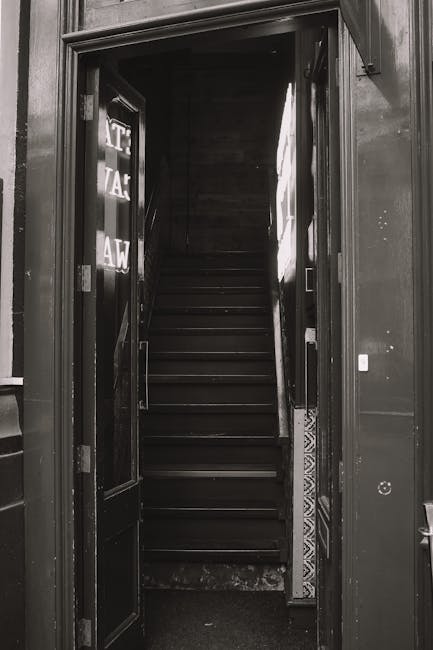
Highbury Flat Moves: Managing Narrow Victorian Staircases
If you live in Highbury, you probably already know the little test Victorian properties like to throw at moving day: tight landings, steep stairs, awkward turns, and banisters that feel a bit too close for comfort. Highbury flat moves are often straightforward on paper, but once you are carrying a sofa up a narrow staircase, the plan can change fast. That is exactly why Highbury Flat Moves: Managing Narrow Victorian Staircases needs more than muscle. It needs preparation, the right loading strategy, and a calm approach when the stairwell says "not this way".
Truth be told, most moving problems in these homes are predictable. The good news? Predictable problems are easier to solve. In this guide, you will find practical advice on measuring access, protecting your furniture and walls, choosing the right service, and avoiding the small mistakes that can turn a move into a long, frustrating day. If you are planning a home move, you may also find it useful to look at home moving support, man and van services, or the broader Highbury Self Storage site for related help.
Sometimes a Victorian staircase looks generous from the hallway and then, halfway up, it narrows like it has opinions. That is normal. What matters is how you work with the space, not against it.
Table of Contents
- Why Highbury Flat Moves: Managing Narrow Victorian Staircases Matters
- How Highbury Flat Moves: Managing Narrow Victorian Staircases Works
- Key Benefits and Practical Advantages
- Who This Is For and When It Makes Sense
- Step-by-Step Guidance
- Expert Tips for Better Results
- Common Mistakes to Avoid
- Tools, Resources and Recommendations
- Law, Compliance, Standards, or Best Practice
- Options, Methods, or Comparison Table
- Case Study or Real-World Example
- Practical Checklist
- Conclusion
- Frequently Asked Questions
Why Highbury Flat Moves: Managing Narrow Victorian Staircases Matters
Victorian flats in Highbury have a lot going for them: character, high ceilings, period detail, and the sort of layout that feels properly London. But the staircases? They can be another story. Narrow stairs create a very specific moving challenge because they reduce manoeuvring space, increase the chance of contact with walls and bannisters, and make large furniture harder to angle safely.
This matters for three reasons. First, safety. A bulky wardrobe on a tight stairwell can be awkward at best and dangerous at worst. Second, property protection. Scrapes on plaster, chipped paint, dented newel posts, and scuffed floors are common when access has not been planned properly. Third, timing. A move that should take two hours can easily stretch into an afternoon if nobody has thought through the route.
In practice, the issue is not just width. Victorian staircases often have turns, low ceilings on the landing, thinner treads, and sharp corners that force furniture to be lifted, pivoted, and sometimes partially dismantled. That is why experienced movers, including teams offering house removalists or a man with a van, tend to ask detailed access questions before anything is booked. They are not being fussy. They are avoiding exactly the kind of bottleneck that ruins moving day.
And let's face it, if you are already juggling keys, bins, parking and a neighbour who needs the hallway clear by lunch, you do not want a sofa wedged on the turn for forty minutes. Been there. Not fun.
How Highbury Flat Moves: Managing Narrow Victorian Staircases Works
Managing a move in a narrow Victorian staircase is really a sequence of access decisions. The team checks what can physically fit, what can be safely carried, and what should be dismantled, wrapped, or moved by an alternate route. It sounds simple, but the details matter.
The process normally starts with access assessment. That can be done from photos, videos, measurements, or a quick walkthrough. The aim is to understand the staircase width, landing size, ceiling height, the angle of turns, and whether there are any hazards such as loose handrails or fragile finishes. A proper assessment helps decide whether an item needs extra protection or even a different handling method.
Next comes preparation. Furniture may be partially dismantled, soft items bagged, mirrors and artwork wrapped, and protective coverings laid down for floors and bannisters. If the staircase is especially tight, movers may plan a "carry and pivot" route, where two people guide the item slowly, changing angle at the landing rather than trying to force it straight through. It is a bit like solving a puzzle with a sofa. A large one.
Then comes the actual movement. Good practice is slow, controlled, and communicated clearly. One person leads, one supports, and the rest keep the route clear. If anything feels wrong halfway up, the team stops. That pause is not a failure; it is professionalism.
For many Highbury residents, the smartest option is to pair the move with packing and unpacking services so fragile items are easier to handle and the staircase is not cluttered with loose boxes. In tighter homes, fewer separate trips usually means fewer risks.
Key Benefits and Practical Advantages
When narrow-staircase moves are planned properly, the benefits are immediate and very practical.
- Less damage to the property: careful wrapping and route planning protect walls, paintwork, and woodwork.
- Lower risk of injury: controlled lifting is safer than improvising around a tight bend.
- Faster moving day: fewer surprises means fewer delays.
- Better handling of bulky furniture: beds, sofas, bookcases, and wardrobes are managed more intelligently.
- Less stress: you are not making decisions on the spot while standing on a cramped landing.
There is also a hidden advantage people sometimes overlook: the move feels calmer. That matters more than it sounds. A cramped stairwell can make everyone tense, especially if the weather is damp, the hallway is busy, or there are neighbours coming and going. Once the plan is clear, the whole move tends to settle down.
For some households, using a moving truck or arranging removal truck hire gives enough vehicle space to consolidate the trip, which reduces repeated lifting through the same narrow access point. Fewer passes up and down the stairs usually means less wear and tear on everyone.
Who This Is For and When It Makes Sense
This approach is for anyone moving in a Victorian or period flat where staircase access is tight, steep, or awkward. That includes top-floor flats, maisonettes, converted terraces, and split-level homes where the stairs are part of the challenge rather than just a route between rooms.
You will particularly benefit from this kind of planning if you have:
- large sofas or corner sofas
- solid wood furniture
- beds with frames or headboards
- wardrobes that do not dismantle easily
- fragile items needing careful carrying
- limited parking or restricted loading space outside
It also makes sense if you are moving on a weekday with time pressure, or if your building has shared entrances and a busy common hallway. In those settings, efficient handling is not a luxury, it is the difference between a neat move and a chaotic one.
Commercial tenants should not ignore the same issue. Small studios, office conversions, and shop-to-flat transitions in old buildings often have the same narrow access problem, which is why services such as commercial moves and office relocation services can be relevant even in residential-looking buildings. The staircase does not care whether the item is a desk or a dining table. It still has to fit.
Step-by-Step Guidance
If you want the move to feel controlled rather than improvised, follow a clear sequence. This is where a lot of the trouble gets prevented before a single box is lifted.
- Measure the route. Check stair width, landing depth, ceiling height, door frames, and any tight turns. Measure the largest items too.
- Identify problem furniture. Mark what will likely need dismantling, extra wrapping, or two-person handling.
- Clear the staircase completely. Remove mats, plants, loose shoes, or anything that could cause a trip or slow the pivot.
- Protect the building. Use floor coverings, corner protectors, and padded wraps for bannisters where needed.
- Pack smartly. Keep heavy items in smaller boxes and fragile items clearly labelled.
- Plan the carrying order. Bring down the easiest items first, then the awkward ones once the route is clear and everyone has rhythm.
- Pause before forcing anything. If an item catches on the turn, stop and re-angle it. Forcing is where damage starts.
A realistic example: a two-seater sofa might look fine in the hallway but get stuck at the top bend because the arm height clashes with the handrail. In that moment, rotating the sofa vertically for a controlled pivot can solve the issue. But only if the landing is clear and the carrier has enough room to stand safely. Otherwise, dismantling or changing the route is the better call.
Small note, but an important one: do not leave the route planning until the van arrives. That's how a neat timetable becomes a slow, awkward domino effect.
Expert Tips for Better Results
A few practical habits make a big difference in Victorian flat moves. They are not glamorous, just effective.
- Use photos, not guesswork. A staircase always looks wider in memory than it does in real life.
- Wrap corners first. The corners of furniture are usually the first things to hit walls or banisters.
- Take lamp shades and loose fittings off in advance. Small parts catch on railings more often than people expect.
- Keep one person free to guide. Too many hands in a staircase can become part of the problem.
- Use gloves with grip. Not too bulky, just enough to help hold a smooth surface securely.
- Pack an "access box". Tape, cloths, a small torch, wipes, and a screwdriver should be within reach.
One thing experienced movers learn quickly is that the first attempt is not always the final route. If a wardrobe does not want to go one way, there may be a safer alternative. You might move it in pieces, send it through another door, or hold it for a specialist team that can manage heavier items.
If you are moving a home and need a simpler same-day solution, a focused service like home moves can be a good fit. If it is a single bulky item rather than a full flat, furniture pick-up may be the more sensible choice. Often the best move is the one that reduces unnecessary lifting.
Common Mistakes to Avoid
Most staircase problems come from a handful of avoidable errors. The good news is that once you know them, they are easy to sidestep.
- Not measuring properly. A quick look is not enough for a narrow Victorian stairwell.
- Assuming furniture will "just tilt". Some items do, some definitely do not.
- Leaving packing until the last minute. Loose drawers, open bags, and unwrapped edges create delays.
- Ignoring the landing. The landing is often the hardest part, not the stairs themselves.
- Trying to carry too much at once. That's how people scrape walls or strain themselves.
- Skipping building protection. A few minutes with covers can save a lot of repair hassle.
There is another common mistake, and it sounds small but causes real issues: not telling the movers about internal quirks such as a low light fitting, a sticky door, or a turn that narrows after the first flight. Those details matter. A lot. Especially in older Highbury buildings where no two staircases seem to follow the same rulebook.
If you are unsure about the best vehicle size or team setup, it is worth discussing options like man with van versus a larger vehicle or removal truck hire. Choosing too small can mean multiple trips; choosing too large can make local access and parking harder. Balance matters.
Tools, Resources and Recommendations
You do not need an industrial toolkit to handle a narrow staircase move, but you do need the right basics. Think of this as a practical kit, not a warehouse.
| Tool or Resource | Why It Helps | Best Used For |
|---|---|---|
| Measuring tape | Checks width, height, and clearance accurately | Route planning and furniture assessment |
| Furniture blankets | Protects surfaces from bumps and scuffs | Wardrobes, tables, sofas, and frames |
| Corner protectors | Reduces damage on turns and landings | Tight stair corners |
| Straps or grips | Improves control when lifting awkward pieces | Heavy or bulky items |
| Labels and marker pens | Keeps boxes organised and accessible | Packing and room placement |
For many moves, the real resource is not a physical tool but a good bit of planning. Photos of the staircase, a list of the largest items, and a clear conversation with the moving team can save more time than any gadget. If you are booking support in advance, use the provider's contact page and ask direct questions. You can also review the company background on the about us page and, when needed, get in touch through the contact page.
One light but useful recommendation: keep tea, water, and a phone charger close. It sounds obvious, but moving days get weirdly long, and the little comforts matter. Especially around 3:30 in the afternoon when everybody is slightly tired and the hallway suddenly feels ten degrees warmer.
Law, Compliance, Standards, or Best Practice
This kind of move is not usually about complex legal compliance, but there are still sensible best practices to follow in the UK. You should make sure access to communal areas is respected, items are not left blocking shared hallways, and any parking or loading arrangements are checked in advance if your building or street requires it.
If you are moving in a managed block or converted property, building rules may affect lift use, delivery windows, or hallway access. Always check those details before moving day. It is also wise to confirm insurance cover with your moving provider, especially for larger furniture or fragile pieces. That does not mean expecting problems; it just means being sensible.
Where heavy lifting is involved, movers should use safe manual handling practices. In plain English, that means no sudden jerks, no twisting under load, and no trying to carry something that clearly needs two people. UK best practice on safe lifting is practical rather than dramatic: protect the person first, then the furniture. That sounds obvious, but it gets ignored more often than it should.
Terms and service boundaries matter too. If you are booking through a company, it is worth reading the terms and conditions so you know what is included, what access assumptions are being made, and whether dismantling or packing is part of the service. If you are storing items between moves, their privacy policy is also worth reviewing, especially when sharing personal details or booking information online.
Options, Methods, or Comparison Table
Not every narrow-staircase move needs the same solution. The right method depends on furniture size, time pressure, and how awkward the access is. Here is a simple comparison.
| Method | Best For | Pros | Limitations |
|---|---|---|---|
| Full home move team | Multiple rooms and larger households | Most efficient, coordinated, less stress | Can be more than you need for a small move |
| Man and van | Smaller flats or lighter loads | Flexible, often cost-conscious, good for short trips | Less suitable for heavy or oversized furniture |
| Furniture-only collection | Single bulky items | Simple and targeted | Not ideal for full household relocation |
| Truck-based move | Longer or larger relocations | Better capacity, fewer journeys | Parking and access may need more planning |
For office or mixed-use spaces in converted Victorian buildings, the same logic applies, just with desks, monitors, archive boxes, and a little more admin. That is why services like office relocation services and commercial moves are often chosen when access is tricky and the schedule is tight.
Case Study or Real-World Example
A fairly typical Highbury move might involve a one-bedroom flat on the second floor of a converted Victorian terrace. The staircase is narrow, the landing is compact, and the bedroom wardrobe is a solid piece that looks lovely in place but behaves badly on stairs. The resident has already packed boxes, but the sofa, mattress, and dining table are still a concern.
On the day, the team starts with the easy items, which clears space and builds momentum. The mattress goes first because it bends safely. The table legs are removed in advance, which saves a lot of awkward lifting. The sofa is assessed at the top of the stairs and needs a controlled pivot on the landing. It goes through, but only after the route is wrapped and one person guides the angle carefully around the banister.
The wardrobe is the real decision point. Rather than forcing it, the team dismantles it into manageable sections. That takes a bit longer upfront, but it avoids a risky carry and prevents scratches on the wall plaster. The move ends up taking less time than expected, mostly because nobody had to stop and "rethink everything" halfway through. Which, to be fair, is the move-day equivalent of keeping your shoes on the right feet.
The lesson is simple: a narrow Victorian staircase is not the problem on its own. The problem is treating it like a standard route. Once the access is treated as a planning task, the move becomes much easier to control.
Practical Checklist
Use this checklist before moving day. It is basic, but it works.
- Measure staircase width, landings, and door frames
- List all bulky or fragile items
- Decide what should be dismantled
- Book the right level of moving support
- Protect floors, walls, corners, and bannisters
- Label boxes clearly by room and priority
- Check parking, access, and building rules
- Keep important tools and documents separate
- Tell the movers about low ceilings, tight turns, or awkward doors
- Have a backup plan for anything too large to carry safely
Expert summary: The best Highbury flat moves are usually the ones that respect the staircase before the first box moves. Measure carefully, protect the route, and choose a service level that matches the furniture, not just the postcode.
Conclusion
Highbury flat moves are often made more challenging by narrow Victorian staircases, but that challenge is manageable with the right preparation. Measure properly, pack intelligently, protect the building, and choose the moving method that fits the access rather than hoping a large item will "probably fit". It usually won't. Or at least not without a bit of persuasion and a lot of patience.
The most reliable moves are the ones where the staircase has already been considered in the plan. That is how you avoid damage, reduce stress, and keep the day moving at a sensible pace. And once the last box is through the door, the whole place feels different. Quieter, somehow. More yours.
If you are planning a move and want help finding the right service, start with the essentials and build from there. A good conversation now saves a lot of lifting later.
Get a free quote today and see how much you can save.
Frequently Asked Questions
How do you move furniture up a narrow Victorian staircase?
The safest approach is to measure the item and the staircase first, then plan the carry angle before lifting. Often the furniture needs to be tilted, pivoted on the landing, or dismantled into smaller sections. Forcing it is usually the worst option.
What furniture is hardest to move in a Highbury flat?
Large sofas, wardrobes, bed frames, dining tables, and anything solid wood tend to be the trickiest. Items with awkward shapes or fixed arms often struggle most on narrow turns and steep stairs.
Should I dismantle furniture before a flat move?
Yes, if it can be dismantled safely. Removing table legs, bed slats, or wardrobe doors can make a big difference. It reduces the chance of snagging on bannisters and makes the load easier to control.
Is a man and van service enough for a narrow staircase move?
Sometimes, yes, especially for smaller moves or lighter furniture. But if you have bulky items, multiple rooms, or difficult access, a fuller home moving service may be more practical. The staircase should guide the decision, not just the budget.
How can I protect walls and bannisters during the move?
Use furniture blankets, padding, and corner protection where needed. Clear the route before carrying anything and keep one person guiding the item through tight turns. A few minutes of protection can save a lot of repair hassle.
Do I need to measure the staircase in advance?
Absolutely. Measurements help avoid surprises on the day and let the moving team decide whether an item should be carried whole, partially dismantled, or moved another way. Photos are helpful too, especially of landings and turns.
What if my sofa does not fit around the landing?
Then it may need to be rotated differently, carried upright for part of the route, or dismantled if possible. If none of those options are safe, you may need a different access plan or a specialist solution.
Can moving companies handle Victorian staircases safely?
Experienced movers can usually manage them well because they are used to planning around tight access, awkward angles, and period property quirks. The key is giving accurate information before moving day so the right approach is chosen.
Is it better to use a larger truck or a smaller vehicle?
That depends on the amount of furniture, parking space, and journey length. A larger truck reduces the number of trips, but a smaller vehicle can be easier on tight streets and busy residential access. There is no one-size-fits-all answer.
What should I pack first for a staircase-heavy move?
Start with items you will not need immediately and keep the walkway clear. Heavy books, spare kitchenware, and non-essential decor can be packed early. Leave daily essentials and any delicate items you need last in clearly marked boxes.
Are there any legal issues I should think about?
Usually the main concerns are building rules, parking, access permissions, and safe handling practices. It is sensible to check your move provider's terms, confirm insurance, and make sure communal areas stay clear for neighbours and residents.
How far in advance should I plan a narrow-staircase move?
The earlier the better. A few days can be enough for a small move, but more time gives you room to measure properly, arrange packing support, and decide whether any furniture needs dismantling or special handling. A little extra planning goes a long way.
Where can I get help planning my move in Highbury?
You can start by reviewing the available services on the main site, then use the contact page to ask about access, vehicle size, and packing support. If you want a service that fits a tight staircase and a real-world schedule, it is worth speaking to the team before moving day rather than after the boxes are piled up in the hall.