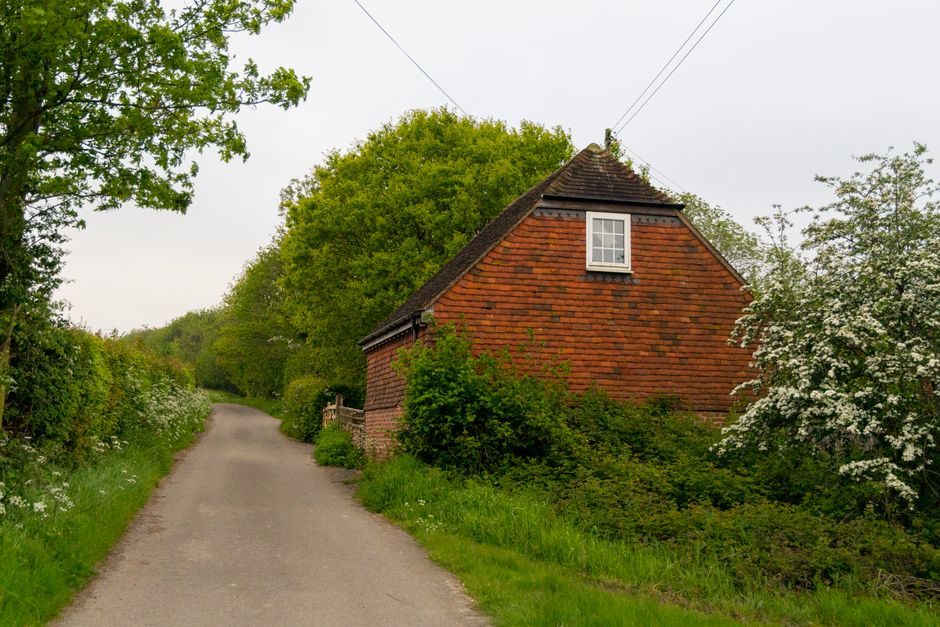
Highbury Barn removals guide for narrow street access
Moving in Highbury Barn can feel straightforward on a map and then, five minutes later, completely different in real life. Narrow streets, parked cars, tight turns, awkward loading spots, and the occasional "how on earth does a van fit here?" moment can turn a simple house move into a small logistics puzzle. This Highbury Barn removals guide for narrow street access is here to help you solve that puzzle calmly and properly, without the usual last-minute scramble.
Whether you are moving from a flat above a shop, a family home on a tight residential road, or an office with limited kerb space, the same principle applies: access planning matters as much as lifting and transport. Get it right and the day feels organised. Get it wrong and even a short move can become slow, stressful, and more expensive than it needed to be.
In this guide, you will find practical advice on access checks, vehicle choice, parking strategy, packing, timing, and the common mistakes people make in compact London streets. We will also look at when a smaller vehicle or man and van service makes more sense than a larger truck, and how to decide whether you need full removal support, packing help, or short-term storage. Let's make the narrow street part feel manageable. It usually is, once you break it down.
Quick expert summary: In narrow-street areas like Highbury Barn, the best removals plan is usually the one that reduces vehicle size, shortens loading time, protects parking space, and keeps the walking route between door and van as clear as possible.
Table of Contents
- Why narrow-street access matters in Highbury Barn
- How the move works on a tight street
- Key benefits and practical advantages
- Who this guide is for
- Step-by-step guidance
- Expert tips for better results
- Common mistakes to avoid
- Tools, resources and recommendations
- Law, compliance and best practice
- Options, methods and comparison
- Case study or real-world example
- Practical checklist
- Conclusion
- Frequently asked questions
Why Highbury Barn removals guide for narrow street access Matters
Highbury Barn sits in a part of London where space is rarely generous. Streets can be narrow, parking can be limited, and traffic can change quickly depending on the time of day. That matters because removals are not just about carrying boxes; they are about creating a safe, efficient path from your front door to the vehicle and back again. If that path is blocked, even slightly, the whole operation slows down.
People often underestimate the small stuff. A van can be technically "near" the property and still be unusable if it is parked too far away, if another vehicle blocks the rear doors, or if the route from the property includes steps, a tight corner, or a patch of wet pavement that makes carrying awkward. In practice, narrow-street access affects timing, labour, and the size of vehicle you can realistically use.
It also affects stress. Nobody enjoys watching movers dodge a badly parked car while balancing a wardrobe. Nobody. If the route is difficult, every item takes longer to move, and long carries increase the chance of knocks, scratches, and tired mistakes. That is why access planning is not a side detail. It is central to the success of the move.
For home moves, the issue can be as simple as a sofa not fitting cleanly around a staircase landing. For commercial moves, the challenge may be loading file boxes, desks, and IT equipment while keeping disruption low. If you need broader support for either, it is worth looking at home moving support or commercial moving services depending on the type of move you are planning.
And honestly, in an area like this, good access planning is one of the easiest ways to save time without cutting corners.
How Highbury Barn removals guide for narrow street access Works
The process is usually simpler than people expect, but it needs to be deliberate. A good removals plan for narrow street access starts before moving day, not on the pavement with a half-open van door and a vague hope that "it'll be fine".
First, you assess the property access. That means looking at the street width, any parked cars that may limit turning space, where the vehicle can legally stop, how far the load will need to be carried, and whether there are stairs, lifts, or awkward entrance points. You also want to think about the time of day. Early morning is often calmer on residential roads, but every street has its own rhythm. Around school run time or late afternoon, movement can get busy quickly.
Next, you match the vehicle to the access. Sometimes a smaller van is simply the sensible choice. On narrow streets, a compact vehicle can reduce manoeuvring stress and get closer to the door. In some cases, a larger removal truck is still the best option if the road allows it and the load size justifies it. For heavier or bulkier jobs, you may want to review moving truck options or removal truck hire to see what fits the property and the volume of goods.
Then comes packing and load sequencing. Items that are needed first should be loaded last. Breakables should be boxed properly. Furniture should be wrapped and protected. If you are not sure about this part, packing and unpacking services can take a lot of pressure off, especially when you are trying to keep the loading area clear and efficient.
Finally, there is the practical handover on the day. Someone should know where the keys are, how access works, and what item sizes need careful handling. The move becomes much smoother when the team is not waiting around for decisions. A good removals crew will work in a tidy sequence: park, protect, carry, load, secure, and go. Simple on paper. Not always simple on the street.
Key Benefits and Practical Advantages
Planning properly for narrow-street access gives you more than just convenience. It improves the whole move in ways that are easy to feel on the day.
- Shorter loading times: A well-chosen vehicle and clear access reduce the number of trips between the door and the van.
- Lower risk of damage: Fewer awkward turns and shorter carries mean fewer chances to bump furniture, walls, or door frames.
- Less disruption to neighbours: Tight streets are shared spaces. A calmer, quicker move is simply better manners, to be fair.
- Better cost control: When access is easier, the job usually becomes more predictable. Even small delays can have knock-on effects.
- Safer lifting: A short, clear route helps movers handle heavy items with better balance and fewer sudden adjustments.
- More suitable vehicle choice: Narrow roads often favour vans that can park close to the property rather than oversized trucks that need extra space to manoeuvre.
One underrated benefit is emotional. A move feels much less chaotic when the physical environment is under control. If the van is where it needs to be and the route is clear, you can breathe a little. That matters more than people admit.
For some homes, especially smaller flats or partial moves, a flexible man with van option can be a neat fit. It is not always about the biggest vehicle. Sometimes the best option is simply the one that respects the street.
Who This Is For and When It Makes Sense
This guide is useful if you are moving in or out of Highbury Barn and any of the following sound familiar:
- your street is narrow or heavily parked
- you live in a flat with limited loading space
- your property has a tight entrance, staircase, or basement access
- you need to move on a weekday morning or busy urban time slot
- you are handling bulky items like wardrobes, beds, desks, or appliances
- you want to avoid hiring a vehicle that is too large for the road
- you are trying to keep disruption low for neighbours or business premises
It is also relevant if you are not moving everything at once. Many people in London split a move into stages, especially when storage is involved. If that sounds like your situation, it may help to explore furniture pick-up support for individual items, or use storage as a buffer while you wait for completion dates, decorating, or access windows to line up properly.
In our experience, narrow-street moves make the most sense to plan carefully when there is any uncertainty about parking, lift access, or delivery timing. If you are already juggling dates, surveys, or key collection, then reducing moving-day complexity is worth a lot. A lot, actually.
Step-by-Step Guidance
Here is a practical way to approach a Highbury Barn move where street access is tight. Keep it simple, and do each step in order.
- Check the street on foot first. Walk the route from the property to the nearest realistic stopping point. Look for parked cars, narrow bends, bollards, trees, and any low branches or overhangs.
- Measure what matters. You do not need a full survey, but you should know whether a sofa, wardrobe, mattress, or desk can get through the hallway, door, and stairwell without damage.
- Decide how far the load will travel. A 10-metre carry is very different from a 40-metre carry, especially with heavy boxes or awkward furniture. The longer the carry, the more you should think about team size and vehicle placement.
- Choose the right vehicle type. Smaller vans are often best for narrow streets. Larger trucks can still work, but only if there is enough room to park and load safely.
- Group items before moving day. Put fragile items together, furniture together, and essentials in one clearly marked box. That saves time when everything is being carried through a tight access route.
- Reserve a clear loading rhythm. The person at the door should keep the exit area free while the loading crew moves items out. No clutter by the threshold. It sounds obvious. It still gets missed.
- Load in the right order. Heavier and sturdier items usually go first, followed by boxed goods and then fragile or lightweight items that need careful stacking.
- Plan for last-minute surprises. If the van cannot park exactly outside, have a fallback point nearby. If a neighbour has parked badly, you need a contingency, not panic.
- Do a final sweep. Check cupboards, behind doors, under beds, and in storage spaces before the vehicle leaves. Tight-access moves do not lend themselves to second chances.
If you want a more hands-off version of that process, a specialist house removalists service can help coordinate the lifting, vehicle placement, and loading order while you focus on key handover and essentials.
Expert Tips for Better Results
There are a few practical things that make a tight-street move noticeably smoother. These are the sorts of details that are easy to skip, then annoying later.
Use smaller packing units for long carries. If the vehicle cannot sit right outside, large heavy boxes become harder to manage. Medium-sized boxes are usually safer and easier to stack. Your back will thank you, quietly.
Keep the doorway clear. On a narrow street, the doorway becomes a tiny loading hub. If coats, shoes, bags, and bins are left there, the whole process gets clumsy. Clear the path the night before if you can.
Protect corners and edges. Old plaster, painted bannisters, and narrow hallways do not forgive careless turns. Basic protection on fragile corners can prevent small scuffs that look much bigger under daylight.
Tell the movers about awkward items early. Do not leave it until they are standing there holding a chest of drawers and looking at a staircase. That is not the ideal time for revelations.
Build in a buffer. Urban moves often take longer than the neat plan on paper. A small time cushion can absorb the "just one extra car" or "the lift is busy" problem without derailing the day.
Think in terms of walking distance, not just parking distance. A van that is legally parked but far away can still be a poor choice. Reducing the carry usually saves more time than people expect.
Ask for the right support, not just any support. If you are moving a few items only, a lighter-touch service may fit better than a full truck-based solution. If the move is larger but access is awkward, a more experienced team with the right equipment may be worth it.
A small human note here: on one especially tight London street move, the difference between a smooth job and a stressful one was literally one parked car. That is all it takes sometimes. Annoying, yes. Predictable, also yes.
Common Mistakes to Avoid
Most access-related problems come from a handful of avoidable missteps. The good news is that once you know them, they are easy to sidestep.
- Booking a vehicle that is too large: Bigger is not better if it cannot get close to the property.
- Ignoring stairwells and door widths: It is not just about the street. Furniture still has to get inside and out.
- Leaving packing until the final evening: Rushed packing creates bad box sizes, poor labelling, and more carrying time.
- Assuming parking will work itself out: On narrow roads, parking is often the key issue, not the easiest one to solve at the last minute.
- Not warning the removals team about access issues: If there is a steep step, tight gate, or awkward entrance, say so early.
- Overloading boxes: Heavy boxes are harder to carry and more likely to split. That is true in any move, but especially on tight routes.
- Forgetting the return journey: Loading is only half the process. Unloading at the destination needs the same level of thought.
One more that people miss: not checking whether the street is likely to be busier at the exact time of day they want to move. A road that looks calm at 9:30 a.m. may feel completely different at 3:30 p.m. Small timing differences can matter a lot in Highbury Barn.
Tools, Resources and Recommendations
You do not need a warehouse full of specialist gear, but a few practical tools make a big difference.
| Item | Why it helps | Best use |
|---|---|---|
| Measuring tape | Checks furniture width, hallway space, and doorway clearance | Before move day and during packing |
| Furniture blankets | Protects edges and surfaces on narrow carries | Wardrobes, tables, cabinets, appliances |
| Sturdy boxes | Makes carrying safer and stacking easier | Books, kitchenware, mixed household items |
| Labels and marker pens | Speeds up loading and unpacking | Room grouping and fragile marking |
| Trolley or dolly | Reduces strain where the route allows it | Flats, long hallways, repeated heavy items |
| Door and corner protection | Limits scuffs on tight turns and narrow entrances | Older homes and tight staircases |
For some moves, the most valuable resource is not a tool at all but a good service fit. If the access is awkward and the job is small to medium, a man and van service can be a very practical choice. If the move is larger and you still need an adaptable crew, truck hire may suit better.
And if you are combining moving with temporary storage, think about how items will be packed and labelled for the storage phase, not only the delivery phase. That little bit of extra structure saves real time later.
Law, Compliance, Standards, or Best Practice
When a move takes place on public roads or shared residential streets, best practice matters even if the job itself is straightforward. You should think about safe parking, sensible loading, and respect for neighbours and other road users. If the road requires parking consideration, loading bays, or timed stopping arrangements, these should be handled carefully and in line with local expectations.
It is also sensible to think about lifting safety and manual handling. In the UK, safe moving practice generally means avoiding unnecessary strain, using suitable equipment where possible, and not forcing items through spaces where they clearly do not fit. That sounds basic, because it is. But basic is good. Basic keeps people and furniture in one piece.
For domestic moves, you also want to be mindful of shared access, especially in blocks of flats or terraces where hallways, landings, and entrances are communal. Do not block exits, keep routes clear, and warn neighbours if loading is likely to affect the street for a while.
For office relocations, good practice extends to reducing disruption to staff, keeping computers and documents secure, and planning access so that sensitive equipment is not left unattended in a public area. If your move involves desks, IT, archives, or workstations, office relocation services are worth considering for the added organisation alone.
Nothing here is especially glamorous, but the safest and smoothest moves are usually the ones that respect the practical basics most carefully.
Options, Methods, or Comparison Table
Different access situations call for different moving methods. Here is a simple comparison to help you choose.
| Method | Best for | Pros | Watch-outs |
|---|---|---|---|
| Small van / man and van | Narrow streets, smaller loads, short carries | Easier parking, flexible access, often quicker on tight roads | May need more trips for larger loads |
| Medium removal vehicle | Moderate home moves with workable access | Better volume capacity, still manageable in many residential streets | Needs careful parking and manoeuvring |
| Larger removal truck | Big household moves or heavier inventories | More efficient for volume, fewer round trips | Can struggle on very narrow roads |
| Split-load move | Awkward access or staged moving dates | Flexible, can reduce street congestion | Requires more planning and coordination |
The right choice depends on volume, access, and timing. There is no universal winner. A large truck is not automatically better just because the move is large, and a small van is not always cheaper if it leads to many extra trips. The real question is: what will work safely on your street?
If you are not sure, it can help to compare the practical shape of the move first, then choose the service. That is a more reliable method than booking by habit.
Case Study or Real-World Example
Imagine a typical Highbury Barn flat move. The property is on a narrow residential street with parking on both sides, and the front door is set a little back from the pavement. A full-size truck would not have a comfortable place to sit, so the move is planned around a smaller vehicle that can stop closer to the entrance.
The household has one sofa, a bed frame, a dining table, a few fragile boxes, and a couple of awkward plants that nobody wants squashed against the wall. The team checks the hallway in advance, removes loose clutter from the doorway, and loads the boxes first so they are ready when the furniture comes out. The sofa is wrapped, carried carefully around one tight corner, and loaded before the route gets crowded.
At the destination, the same idea applies. The carrying distance is kept as short as possible, the unloading order is clear, and the fragile items are not buried under heavier pieces. Nothing dramatic happens. That is the point. Good removals on narrow streets often look uneventful from the outside, because the planning did the hard work.
Now, compare that with an unplanned version: a vehicle too large for the road, boxes packed at the last minute, no clear parking idea, and a wardrobe that nearly scrapes a doorway. It can still be done, but it feels harder, slower, and a bit noisier. You know the feeling. That faint sense of "we should have thought this through earlier".
Practical Checklist
Use this checklist before moving day. It keeps the important bits in one place.
- Measure major furniture and awkward items
- Check the street width and likely parking position
- Confirm the best time window for loading
- Decide whether a small van, truck, or split move is more suitable
- Clear the hallway, landing, and front entrance
- Prepare labels for rooms and fragile items
- Pack heavy items into manageable boxes
- Protect corners, doors, and furniture edges
- Tell the removals team about stairs, lifts, gates, or low clearances
- Set aside essentials for the first day and keep them easy to find
- Plan for delays, even small ones
- Check the property one final time before departure
If you tick off those points, you are already ahead of many moving-day problems. Really, most narrow-street stress comes from not planning the obvious bits.
For a smoother home move that fits your schedule and access needs, you may also want to review home moves support alongside the practical access plan.
Conclusion
Highbury Barn removals are very doable, even with narrow street access, but they reward good planning more than almost anything else. The key is to match the vehicle to the street, keep the loading route short and clear, and avoid last-minute decisions that create more carrying, more waiting, and more stress.
If you remember just three things, make them these: check access early, choose the right size vehicle, and keep the move simple. That alone can save time and spare you a lot of the usual moving-day faff. And yes, there is always a bit of faff in London moves. It is practically part of the scenery.
When the street is tight and the schedule is full, the best move is the one that feels calm from the start. That calm is achievable, and it is worth aiming for.
Get a free quote today and see how much you can save.
If you want to understand who is behind the service and how the team works, you can also visit about us before getting in touch.
And when you are ready to talk through access, timing, or anything awkward about the property, contact us and start the conversation. A proper plan has a way of making everything else easier.
Frequently Asked Questions
Can a removal van fit on narrow streets in Highbury Barn?
Sometimes yes, sometimes no. It depends on the exact street width, parked cars, turning space, and whether the van can stop close enough to the property for safe loading. In many cases, a smaller vehicle is the safer choice.
What is the best type of vehicle for a narrow street move?
A smaller van often works best when access is tight, because it is easier to manoeuvre and usually closer to the property. For larger households, a medium vehicle or split-load approach may be more practical than forcing a bigger truck into a tight road.
How do I know if my furniture will fit through the hallway?
Measure the widest pieces of furniture and compare them with the narrowest parts of the route, including doorways, hallways, stair turns, and landings. If there is any doubt, take measurements before moving day rather than guessing.
Should I book a man and van or a full removal service?
If the move is smaller or the street access is tricky, a man and van can be a very efficient choice. If you have a larger home or need more handling support, a fuller removal service may be better. The right answer depends on volume, access, and how much help you want.
Is parking the main issue in narrow-street removals?
Often, yes. Parking determines how far items must be carried, how safely furniture can be loaded, and how much time the move will take. Even a legal parking spot can be awkward if it is too far from the front door.
How early should I start planning a move in Highbury Barn?
Earlier is better, especially if access is tight. Even a simple move benefits from early planning because you can check furniture sizes, parking realities, and the best vehicle type before moving day arrives.
What if there are parked cars blocking the street?
That is common in London residential areas. A good plan includes a realistic fallback option, such as a different stopping point, a smaller vehicle, or a loading window when the street is usually quieter.
Can packing services help with access problems?
Yes. If your boxes are packed properly and labelled clearly, loading tends to be quicker and less chaotic. That matters a lot on a narrow street where every minute counts.
Do I need special equipment for a tight stairwell?
Not always, but protective blankets, straps, trolleys, and corner protection can make a real difference. The exact equipment depends on the furniture and the shape of the route.
What is the biggest mistake people make with narrow street removals?
Booking a vehicle or service before checking access properly. It sounds minor, but it is usually the thing that causes avoidable stress, delays, and awkward loading on the day.
Are office moves harder in narrow streets than home moves?
They can be, mainly because offices often include desks, IT equipment, files, and a need to reduce disruption. The access challenge is similar, but the organisation around it is often more demanding.
Can storage help if access is too tight on the day?
Yes, sometimes. If you are moving in stages or need to clear the property before the final destination is ready, storage can give you more flexibility and reduce pressure on a difficult loading day.
One final reassurance: narrow streets look intimidating until the plan is in place. Then they are just narrow streets. Manageable ones, usually.