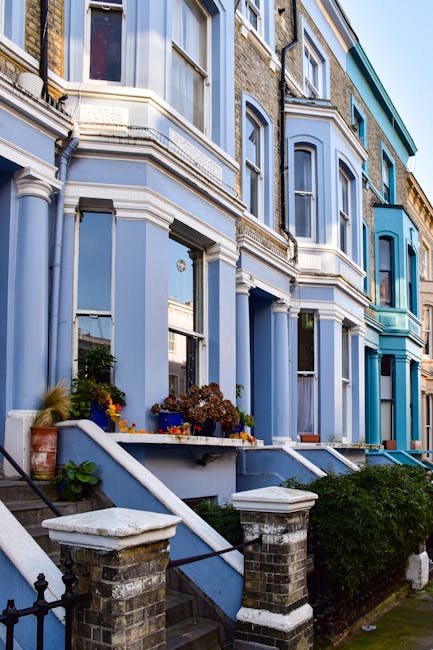
Canonbury Removals Tips for Victorian Terrace Moves
Moving in Canonbury can feel deceptively simple until you meet the realities of a Victorian terrace: narrow staircases, shared hallways, awkward parking, and that one sofa that suddenly seems to have grown three sizes overnight. If you are looking for practical Canonbury removals tips for Victorian terrace moves, you are in the right place. This guide pulls together the sort of advice that actually helps on moving day, especially in older London homes where a bit of planning makes a huge difference.
Truth be told, Victorian terraces are beautiful to live in and a nuisance to move through. They reward careful preparation, realistic timing, and the right moving setup. Whether you are relocating from a top-floor flat conversion, a family terrace, or a compact mews-style property nearby, the goal is the same: protect your belongings, avoid delays, and keep the day under control. Not a small ask, but very doable.
Below, you will find a practical walkthrough of what matters, how the process works, what to watch for, and when it makes sense to bring in extra help such as home moving support, man and van services, or packing and unpacking help.
- Why this matters in Canonbury terraces
- How Victorian terrace moves typically work
- Key benefits and practical advantages
- Who this is for
- Step-by-step guidance
- Expert tips for smoother moves
- Common mistakes to avoid
- Tools, resources and recommendations
- Law, compliance, standards or best practice
- Options and comparison table
- Real-world example
- Practical checklist
- Conclusion
- Frequently asked questions
Why Canonbury removals tips for Victorian terrace moves Matters
Victorian terraces are full of charm, but they rarely make moving easy. In Canonbury, many homes were built long before modern furniture, wider staircases, or driveway-friendly access became the norm. That means a move can go smoothly one day and turn into a slow shuffle the next if access has not been thought through.
Why does that matter so much? Because removals are rarely difficult for one single reason. More often, it is the combination of small issues: a tight front path, a landing turn that catches the wardrobe, a parking bay that is further away than expected, and boxes that were packed too loosely. One little snag becomes another. You know how it goes.
In Canonbury, a good moving plan helps you:
- reduce the risk of damage to walls, bannisters, floors, and furniture
- avoid delays caused by access bottlenecks or parking trouble
- choose the right vehicle size and crew for the property
- pack in a way that suits stair-heavy homes rather than modern lift access
- keep neighbours, courtyards, and shared areas respected
Older terraces can also hide awkward surprises, such as shallow under-stair cupboards, low cellar steps, or angled ceilings in loft rooms. A move that is well prepared can glide through these features. A move that is not prepared tends to creak, scrape, and become everyone's problem by 11 a.m.
How Canonbury removals tips for Victorian terrace moves Works
The process is really about working with the property rather than against it. Instead of assuming a standard house move, you assess the house like a remover would: entry points, stair width, furniture size, street access, and how long it will take to get items from the front door to the vehicle.
In practice, a Victorian terrace move usually works best when it follows this sequence:
- Survey the access - measure stair turns, door widths, hallway pinch points, and any awkward corners.
- Decide what needs dismantling - beds, wardrobes, tables, and large shelving often move better in parts.
- Prepare parking and loading space - the shorter the carrying distance, the calmer the day tends to be.
- Pack by room and weight - solid boxes for books, lighter boxes for mixed household items, and careful labelling for fragile items.
- Protect the property - floor coverings, door-frame protection, and a clear path reduce accidental knocks.
- Load in the right order - bulky items first, fragile items secure and visible, essentials last so they are easy to reach.
This is where a service like house removalists can help if you would rather not juggle the logistics yourself. For smaller moves, a man with van option may be enough. For larger homes, a fuller team and a larger vehicle often make more sense.
A simple but useful rule: the more stairs and the tighter the access, the more value there is in planning each stage before the first box moves. That sounds obvious, but in real life it is the bit people skip. Then the sofa arrives at the first landing and everyone has to do that awkward sideways dance. Not ideal.
Key Benefits and Practical Advantages
Getting the move right in a Victorian terrace is about more than convenience. The practical benefits show up in time saved, stress reduced, and damage avoided. Those are not glamorous benefits, but they matter most on moving day.
- Less physical strain: Moving up and down narrow stairs is tiring, especially with heavy furniture. Better planning means fewer unnecessary lifts.
- Lower damage risk: Corners, skirting boards, and stair rails are vulnerable in older properties.
- Faster loading: When boxes are grouped well and furniture is ready to go, loading becomes far more efficient.
- Better use of space: Packing for a terrace move often means making use of tighter storage and staging areas more intelligently.
- Smoother timing: You can plan around parking, neighbours, school runs, and local traffic patterns rather than hoping for the best.
There is also a quiet emotional benefit: the move feels less chaotic. You may still have cardboard everywhere and a kettle buried in a box marked "miscellaneous", but at least the day has a shape to it.
If you are moving a mix of home contents and unwanted furniture, it can help to separate what is staying, what is going to storage, and what should be collected or disposed of. For that sort of split move, services such as furniture pick-up can be useful alongside your home removal plan.
Who This Is For and When It Makes Sense
This advice is especially useful for people moving out of or into Victorian terraces in Canonbury, but it also applies to many older North London properties with similar access challenges. If your home has stairs that turn sharply, limited street space, or rooms that run off narrow corridors, the principles are pretty much the same.
This guide is a good fit if you are:
- moving from a terrace house with multiple floors
- relocating from a flat conversion in an older building
- trying to move bulky furniture through a tight staircase
- doing a partial move and only taking selected rooms
- coordinating family, neighbours, and removal timing at once
- trying to balance cost control with a low-stress move
It also makes sense if you are deciding between doing it yourself and hiring help. A small move with minimal furniture may suit a light van service. A bigger family move, or one with lots of awkward items, is another story. If your wardrobe needs a pivot, a lift, and a prayer, you probably want extra hands.
For business owners moving stock, files, or office furniture from converted period buildings, the access issues can be just as awkward. In those cases, the planning logic is similar, though the service type may be different, such as commercial moves or office relocation services.
Step-by-Step Guidance
Here is a practical way to organise a Victorian terrace move in Canonbury without turning the day into a scavenger hunt.
1. Walk the route before moving day
Start at the front door and walk the same route every large item will take. Check stair turns, overhead lights, bannisters, low ceilings, and any narrow spots in the hallway. If a sofa barely fits on paper, it may not fit in real life. Measure, then measure again. A tape measure saves arguments later.
2. Decide what should be dismantled
Beds, wardrobes, desks, and some dining tables are much easier to move in sections. Dismantling can prevent scuffs and makes carrying safer. Keep screws, bolts, and fittings together in labelled bags. One tiny bag of screws can feel like gold when you are rebuilding a bed at 8 p.m.
3. Pack with the stairs in mind
Use smaller boxes for heavier items and avoid overfilling them. On stair-heavy moves, lighter, more manageable boxes are not just convenient; they are safer. Books, crockery, and dense items should never go into the biggest box you own. That is just asking for trouble.
4. Create a clear loading zone
If possible, keep the hallway, front path, and first landing as clear as you can. A clean route reduces trips, lessens congestion, and helps movers work quickly. Even a well-packed home slows down if everyone has to step around shoe racks, recycling bags, and a pile of coat hangers.
5. Protect the property and the furniture
Older homes often have more character than protection. Add padding around corners, cover floors if needed, and use blankets or wraps for wooden pieces. Victorian finishes can chip more easily than people expect, especially on older paintwork and painted bannisters.
6. Load in a sensible order
As a rule, heavier and sturdier pieces go first, then medium items, then boxed contents and fragile items placed securely. Essentials should be kept separate so they are easy to find at the end of the day. That little bag with chargers, tea bags, medicines, and toilet paper? Keep it with you. Seriously.
7. Allow for final checks
Before leaving, check cupboards, loft spaces, under stairs, and behind doors. Victorian terraces often have more tucked-away storage than you remember. There is always one stray item hiding in plain sight. Always.
Expert Tips for Better Results
A few small adjustments can make a big difference in older Canonbury homes. In our experience, these are the tips people are glad they followed.
- Book the right vehicle size: A vehicle that is too small causes extra journeys; one that is too large may be awkward to park. A balance matters.
- Keep fragile items out of mixed boxes: In a staircase move, mixed boxes are more likely to shift and topple.
- Use room-by-room colour coding: It is simple, fast, and helps when everything starts looking like cardboard in the same beige shade.
- Check ceiling heights and stair turns for tall items: Tall mirrors, wardrobes, and headboards often fail at the first bend, not the front door.
- Protect shared areas: If you are in a converted terrace or maisonette, think about neighbours and communal access. A little courtesy goes a long way.
- Leave a sensible buffer in your timetable: Older properties have more variables. Add a cushion. You will thank yourself later.
One quiet trick that works well is to prepare a "first room box" for the new property. Put in scissors, bin bags, soap, mugs, snacks, phone chargers, a torch, and basic cleaning supplies. Then, when the evening comes round and the broadband is still not sorted, at least you have tea. Which, frankly, is half the battle.
If packing is your least favourite part, you are not alone. A lot of people underestimate the time it takes. That is where packing and unpacking services can save a huge amount of effort, especially if you are balancing work, children, or a tight exchange timeline.
Common Mistakes to Avoid
Most moving problems in Victorian terraces are not dramatic. They are small planning errors that snowball. The good news is that most of them are avoidable.
- Measuring too late: People often wait until moving day to discover the wardrobe is wider than the landing.
- Packing boxes too heavy: This is the classic one. A box that is impossible to lift is not a clever box.
- Ignoring parking realities: Even a short carry distance becomes tiring when repeated dozens of times.
- Forgetting disassembly tools: If you need an Allen key at 7 p.m., you want it nearby, not in a sealed kitchen box.
- Leaving fragile items unlabelled: It only takes one careless placement to cause breakage.
- Not protecting stair rails or walls: A tiny scratch is easy to avoid and annoying to repair.
- Trying to do everything at once: That is how stress builds. Slow is smooth. Smooth is fast.
Let's face it, a move always feels busier than expected. The mistake is not being busy; the mistake is assuming you can stay organised without preparing for it.
Tools, Resources and Recommendations
You do not need a warehouse full of equipment to move well, but the right basics help more than people think. Especially in older houses, where a small helper tool can save a lot of lifting grief.
Useful packing and moving tools
- Strong double-walled boxes for books, kitchenware, and mixed household items
- Packing paper and wraps for glass, frames, and lamps
- Furniture blankets or padded covers for wooden pieces and painted surfaces
- Labels and marker pens for room-by-room sorting
- Basic tools for bed frames, shelving, and flat-pack furniture
- Gloves and sensible footwear because stairs and heavy lifting do not reward flimsy choices
Practical service options
If you are weighing up how much help you need, there are a few common routes. A compact move might suit man and van support, while a larger household may benefit from a dedicated vehicle such as moving truck services or even removal truck hire for a more structured load-out. For full-service help, consider house removalists who can manage more of the lifting and coordination.
If you are moving items out in stages, or need a temporary place for overflow furniture, the main site at Highbury Self Storage may also be worth a look for broader moving support. And if you simply want to talk through the practicalities, you can always go via the contact page.
Law, Compliance, Standards, or Best Practice
For most home moves, the key compliance issues are practical rather than complicated. You do not usually need to deal with complicated legal processes for a standard domestic move, but you do need to act responsibly around parking, access, safety, and property damage.
Here are the main best-practice points to keep in mind:
- Respect parking restrictions and loading rules: Check local restrictions carefully and allow time for loading without blocking access.
- Protect shared spaces: In terraces with communal entrances or shared paths, keep routes clear and be considerate to neighbours.
- Use safe lifting methods: Heavy and awkward furniture should be handled by enough people, with proper care and communication.
- Check insurance and terms before booking: It is sensible to understand what is included, what is not, and how claims are handled if something goes wrong. The exact wording matters, so read the provider's terms and conditions.
- Handle personal data properly: If you are moving from an office or business property, confidential files need careful packing and storage.
For businesses with bulky furniture, archived paperwork, or equipment, commercial moves and office relocations often need more planning than a standard home move. That is particularly true in older London buildings where lift access is limited or non-existent. In those cases, the movement plan should be based on safety, access, and efficiency, not just speed.
In short: do the simple things well, and the rest usually falls into place.
Options, Methods, or Comparison Table
Choosing the right moving method depends on the size of the property, the amount of furniture, and how awkward the access is. Below is a simple comparison to help you think it through.
| Moving option | Best for | Strengths | Limitations |
|---|---|---|---|
| DIY move | Very small loads and local moves | Lower direct cost, full control | Heavy lifting, more risk, more time, more stress |
| Man and van | Smaller flats, partial moves, light furniture | Flexible and efficient for compact moves | Less suitable for large Victorian terraces with many bulky items |
| Moving truck or truck hire | Wider household moves with more volume | Better for bulky loads, fewer trips | Needs more planning for parking and loading space |
| House removalists | Full home moves and complex access | More hands, more structure, less manual strain | Usually more costly than basic self-managed options |
| Packing and unpacking services | Busy households, time-poor movers | Saves time, improves packing consistency | Not needed for everyone, and may be overkill for a minimal move |
The best choice is usually the one that matches the real shape of the move, not the idealised version in your head. A small terrace can still be a big job if it is full of books, radiators, and a couple of unwieldy wardrobes.
Case Study or Real-World Example
Here is a straightforward example from the kind of move people in Canonbury often face.
A couple moved out of a three-storey Victorian terrace with a narrow front hallway, a second-floor bedroom, and a loft room used for storage. On paper, it looked manageable. In reality, the staircase turned sharply at the half-landing, and the dining table would not clear the bend without being dismantled.
Instead of forcing everything through in one go, they:
- measured the stair width and landing turns in advance
- dismantled the bed, table, and shelving
- packed books into smaller boxes to keep them manageable
- set aside a walking path through the hallway
- arranged a vehicle that could be loaded efficiently without repeated back-and-forth trips
The result was not dramatic or fancy. It was just calm. A bit dusty, a bit noisy, but calm. Boxes were out in sensible order, the walls stayed intact, and the couple did not spend the afternoon wrestling a wardrobe into the same impossible corner.
That is the real point of good removals advice. It does not make the move glamorous. It just makes it work.
Practical Checklist
Use this checklist in the days before your move. It is simple, but it covers the important stuff.
- Measure doors, stairs, landings, and major furniture items
- Decide which furniture must be dismantled
- Label boxes by room and weight
- Pack heavy items into smaller boxes
- Keep essentials separate for immediate access
- Confirm parking and loading arrangements
- Protect floors, bannisters, and corners where needed
- Check whether you need extra help for bulky items
- Set aside tools, chargers, and important documents
- Do a final sweep of cupboards, lofts, and storage spaces
Expert summary: The safest Canonbury terrace moves are the ones planned around access, not just around the number of boxes. Measure first, pack intelligently, and choose the right level of help for the property. That simple approach saves time, protects the house, and makes moving day feel far less fraught.
Conclusion
Victorian terrace moves in Canonbury are rarely about brute force. They are about patience, access planning, and making sensible decisions before the van arrives. Once you understand the quirks of older London homes, the whole process becomes much more manageable. The stairs are still the stairs, of course, but they stop feeling like the enemy.
If you take one thing from this guide, let it be this: prepare for the property you actually have, not the one you wish you had. Measure the awkward bits, pack for the stairs, protect the finish, and choose support that fits the size of the job. That is how you keep things steady.
Get a free quote today and see how much you can save.
And if the day still feels a little overwhelming, that is normal. A move is a lot to carry, in every sense. Take it step by step, and you will get there.
Frequently Asked Questions
What makes Victorian terrace moves in Canonbury more difficult?
Mostly the combination of narrow stairs, tight landings, limited storage space, and awkward street access. Older layouts were never designed for modern furniture sizes, so planning matters more than usual.
Should I dismantle furniture before moving?
Usually yes, at least for larger items such as beds, wardrobes, tables, and shelving. Dismantling can make pieces safer to carry and easier to angle through stairways.
Is a man and van service enough for a terrace move?
Sometimes, yes, especially for small loads or partial moves. But if you have a lot of furniture, multiple floors, or tight access, a larger vehicle or fuller removals support may be the better fit.
How far in advance should I plan the move?
As early as you can. For terrace moves, giving yourself time to measure, sort, and book the right help is far more useful than rushing the week before.
What should I pack first?
Start with non-essential items, seasonal things, books you will not need right away, and storage items. Leave daily essentials for last so you are not living out of random boxes for a week.
How do I protect walls and stair rails during the move?
Use padding, blankets, or protective covers where needed, and keep someone watching tight corners and turns. A little prevention is easier than touching up paint after the fact.
What if parking is limited outside the house?
Plan for that in advance. Shorter carrying distances save time and energy, so it is worth thinking carefully about loading access and timing before moving day begins.
Do I need professional packing help?
Not always. But if you are short on time, have fragile items, or want a more orderly unpacking process, packing support can reduce stress quite a bit.
Are Victorian terrace moves more expensive?
They can be, because access is often more complicated and the move may require more time or more hands. The final cost depends on volume, distance, access, and the service level you choose.
What is the biggest mistake people make with terrace moves?
Underestimating the stairs and the furniture size. A sofa, wardrobe, or bed frame that looks fine in a room can become a problem at the first landing. Measure early and be honest about the awkward pieces.
Can storage help during a Canonbury move?
Yes. Storage can be useful if completion dates do not line up, if you are downsizing, or if you need to move in stages. It takes pressure off the day and gives you breathing room.
How do I choose the right removals support?
Match the service to the job. For smaller local moves, a lighter service may be enough. For larger terraces, multiple floors, or heavier furniture, more structured help such as home moving support or house removalists usually makes more sense.